paddy
Well-known member
This is an Airco DH9 from WnW. An odd choice for me as a car and motorcycle builder these days but I was inspired by sandbaggeruk on largescalemodeller and his recent Armstrong-Whitworth F.K.3 . I picked this up on EBay for £100. More than I wanted to pay but way less than anyone else it seems has to pay these days. I decided on WnW as I doesn’t look like I will need to break the bank on extras which can often cost more than the original kit if you start adding 3D decals, 3D engines and so on.
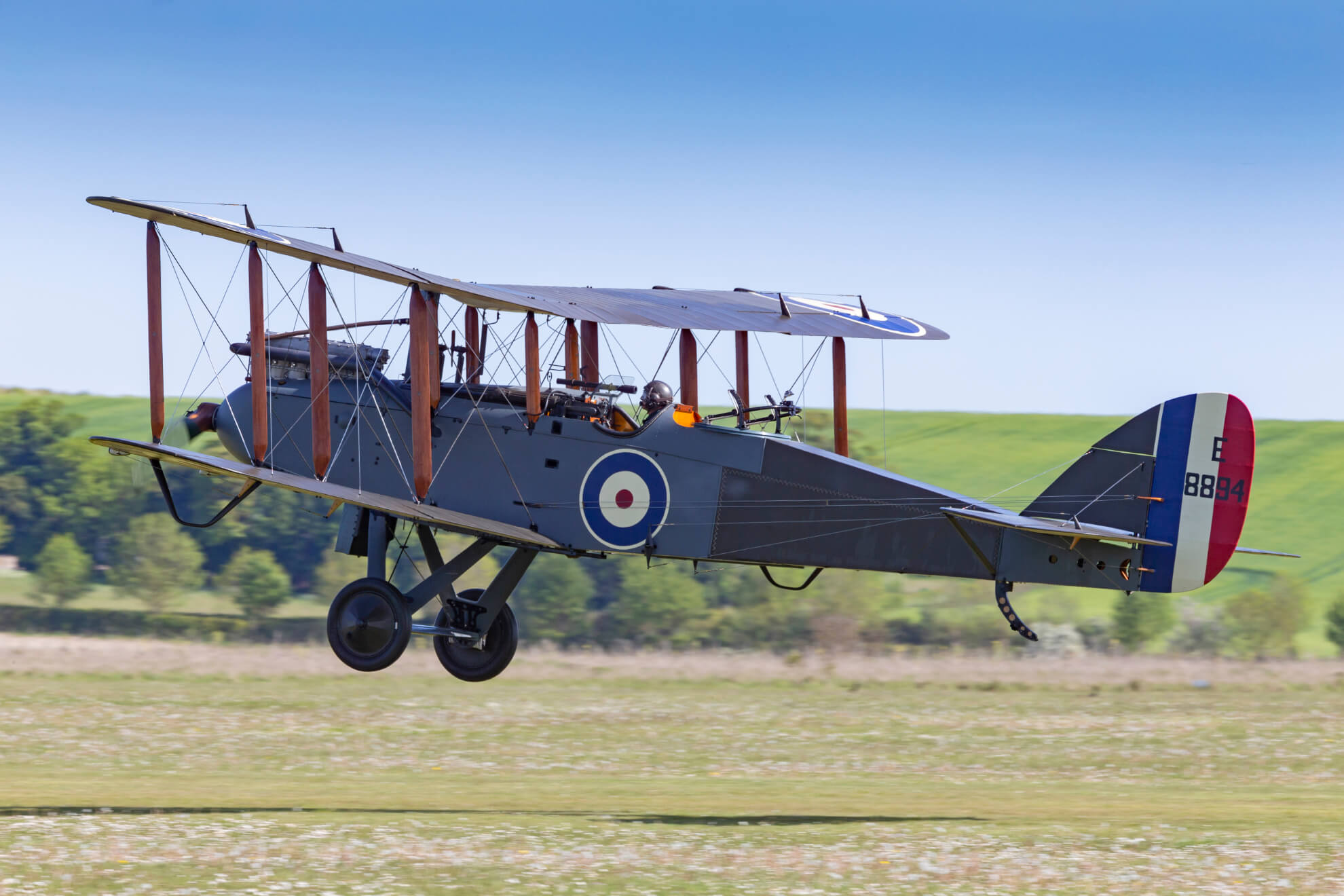
In the UK we have a pair of these, I think there are only 4-5 left in the World. Both the UK ones were found in a redundant elephant stable in India , one restored and the sole flying example and one static restoration for the imperial war museum hanger at Duxford
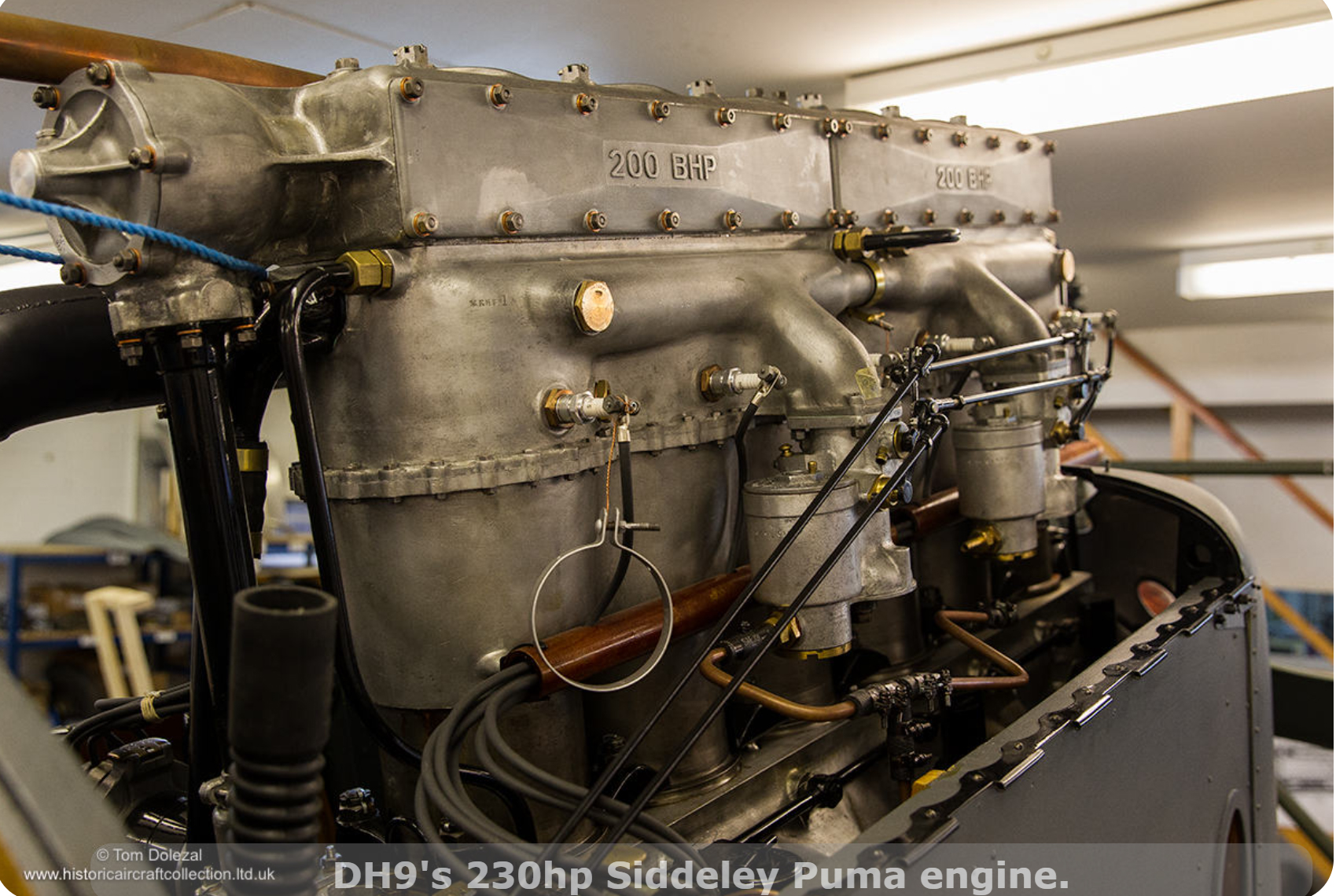
Powered by an ultra rare Siddeley-Deasy 230hp engine it was rather under powered The RAF experimented with a Napier Lion powered 430hp engine and broke the world altitude record of 30500ft which it achieved in 66 minutes for most of the flight the pilot was unaware his observer was unconscious as his oxygen had failed and both he and his pilot were hospitalised with frost bite on landing .Eventually by the end of the war the DH9-A used the American Liberty L-12 at 400bhp.
the Spanish fitted a 300hp hispano suiza engine and some of their aircraft were still flying in 1940.
There is an excellent article with everything you could ever need to know here

 en.wikipedia.org
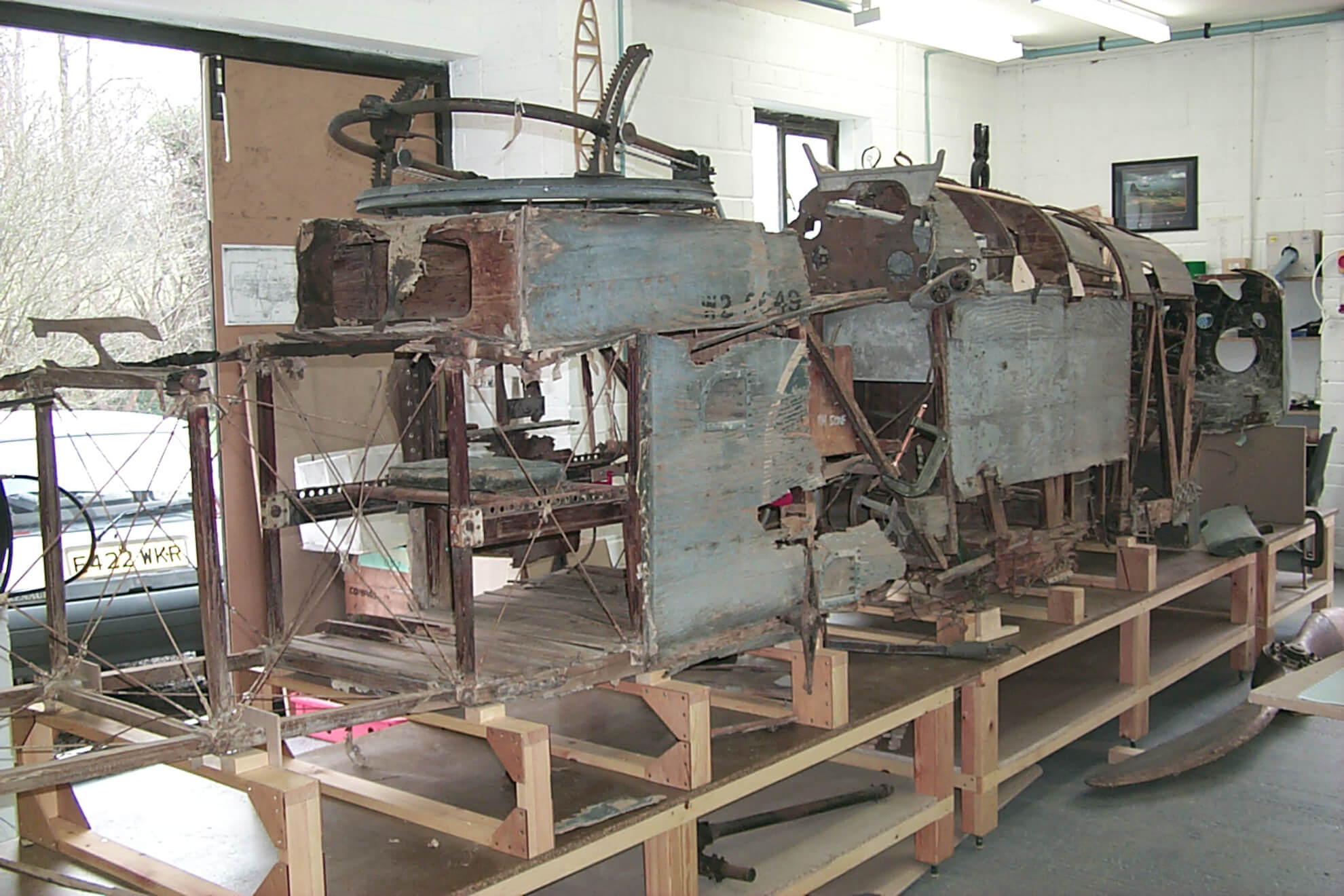 As found in India.
First thing I note was the frame was only braced where it was fabric covered.
In the UK we have a pair of these, I think there are only 4-5 left in the World. Both the UK ones were found in a redundant elephant stable in India , one restored and the sole flying example and one static restoration for the imperial war museum hanger at Duxford
Powered by an ultra rare Siddeley-Deasy 230hp engine it was rather under powered The RAF experimented with a Napier Lion powered 430hp engine and broke the world altitude record of 30500ft which it achieved in 66 minutes for most of the flight the pilot was unaware his observer was unconscious as his oxygen had failed and both he and his pilot were hospitalised with frost bite on landing
.Eventually by the end of the war the DH9-A used the American Liberty L-12 at 400bhp.the Spanish fitted a 300hp hispano suiza engine and some of their aircraft were still flying in 1940.
There is an excellent article with everything you could ever need to know here
Airco DH.9 - Wikipedia
First thing I note was the frame was only braced where it was fabric covered.