

Heavens Eagle
Well-known member
This is copied from a post by The History Vault
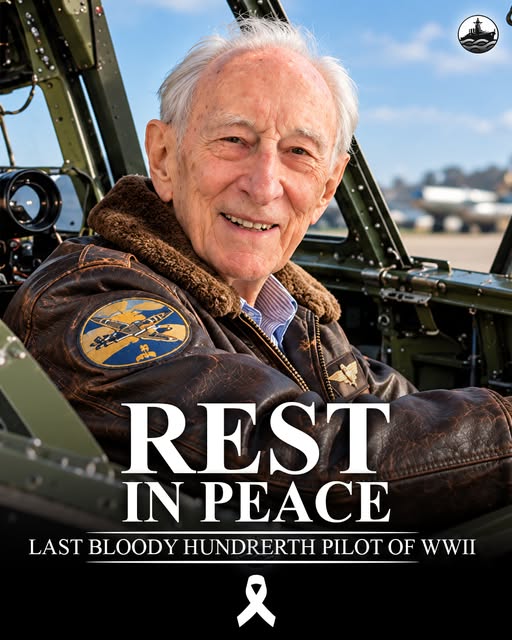
We bow our heads in solemn silence as we bid farewell to Major John “Lucky” Luckadoo, a decorated World War II B-17 Flying Fortress pilot and the last surviving pilot from the original contingent of the legendary 100th Bomb Group, forever remembered as the “Bloody Hundredth.” He passed away at the remarkable age of 103, closing one of the final living chapters of a generation of American airmen who fought and died in the unforgiving skies over occupied Europe. With his passing, America lost more than a distinguished veteran. We lost a courageous witness to one of the deadliest chapters of aerial warfare, a man who survived when so many of his brothers-in-arms never returned, and a devoted guardian of the memories of those whose young lives were forever lost among the clouds.
Born on March 16, 1922, in Chattanooga, Tennessee, Luckadoo was still a young college student when the attack on Pearl Harbor changed the course of his life. Answering his country's call, he volunteered for military aviation training in 1942, eventually earning his wings and joining the United States Army Air Forces. By June 1943, at just 21 years old, he was flying dangerous bombing missions over occupied Europe with the 100th Bomb Group of the Eighth Air Force. From the airfields of England, he climbed into the cockpit of a B-17 Flying Fortress, knowing that every mission might be his last and that each farewell to his fellow airmen could become a goodbye forever.
The men of the Bloody Hundredth endured a level of loss almost impossible to comprehend. Their bombers flew through relentless German fighter attacks, murderous anti-aircraft fire, and freezing high-altitude conditions. Aircraft that had taken off together in the morning often returned with empty places in their formations, while others vanished entirely, carrying ten young American airmen to their deaths or captivity. During the unit's first months of combat, the casualties were devastating. Of the 40 original co-pilots who entered combat alongside Luckadoo, only four completed their required 25 missions. Behind those terrible numbers were young men with families waiting at home, sweethearts holding photographs, and mothers praying for letters that would never arrive.
Luckadoo witnessed the destruction of aircraft and the loss of friends who had shared his meals, his laughter, and his fears only hours before. During the terrible bombing campaign of October 1943, the Bloody Hundredth suffered some of its most devastating losses. On October 10, thirteen of the group's B-17s departed for a mission against Münster, Germany. Only one returned. By a twist of fate, Luckadoo had been assigned to duties that kept him off that mission. He lived while so many of the men he knew were lost. Such experiences followed him long after the war, leaving memories that no passage of time could entirely erase.
On February 13, 1944, after months of facing death in the skies, Luckadoo completed his 25th combat mission. He had survived what so many others had not. Yet for him, survival was never simply a personal victory. He understood that courage alone could not explain why one aircraft returned while another fell burning from the sky. His nickname, “Lucky,” became a lifelong reminder of the extraordinary fortune that had allowed him to grow old when so many of his fellow airmen would remain forever young.
Although he returned home and built a life filled with family, love, and accomplishment, a part of him remained with the men of the Bloody Hundredth. For decades, he carried the emotional burden of war, remembering the faces and voices of friends who never had the chance to marry, raise children, or experience the peaceful years they had fought to secure. Eventually, he devoted himself to sharing their stories, ensuring that the sacrifices of those lost airmen would never disappear into the pages of history. Through his testimony, public appearances, and contributions to Masters of the Air, he gave new generations an understanding of the courage, suffering, and brotherhood that defined the American bomber crews of World War II.
Now, after 103 extraordinary years, Major John “Lucky” Luckadoo has completed his final earthly journey. The engines have fallen silent, the long missions are over, and the young pilot who once searched the skies for missing aircraft has finally found his rest. There is something profoundly heartbreaking in knowing that he lived long enough to witness nearly all his wartime comrades pass into history, carrying their memories until his own final days. We can only hope that, beyond the clouds, there is a peaceful reunion with the brothers he lost so many decades ago, where no aircraft are missing, no seats remain empty, and every young airman finally makes it home.
Rest in eternal peace, Major John Hampton “Lucky” Luckadoo.
We remember your courage. We honor your sacrifice. And we will never forget the Bloody Hundredth.
We bow our heads in solemn silence as we bid farewell to Major John “Lucky” Luckadoo, a decorated World War II B-17 Flying Fortress pilot and the last surviving pilot from the original contingent of the legendary 100th Bomb Group, forever remembered as the “Bloody Hundredth.” He passed away at the remarkable age of 103, closing one of the final living chapters of a generation of American airmen who fought and died in the unforgiving skies over occupied Europe. With his passing, America lost more than a distinguished veteran. We lost a courageous witness to one of the deadliest chapters of aerial warfare, a man who survived when so many of his brothers-in-arms never returned, and a devoted guardian of the memories of those whose young lives were forever lost among the clouds.
Born on March 16, 1922, in Chattanooga, Tennessee, Luckadoo was still a young college student when the attack on Pearl Harbor changed the course of his life. Answering his country's call, he volunteered for military aviation training in 1942, eventually earning his wings and joining the United States Army Air Forces. By June 1943, at just 21 years old, he was flying dangerous bombing missions over occupied Europe with the 100th Bomb Group of the Eighth Air Force. From the airfields of England, he climbed into the cockpit of a B-17 Flying Fortress, knowing that every mission might be his last and that each farewell to his fellow airmen could become a goodbye forever.
The men of the Bloody Hundredth endured a level of loss almost impossible to comprehend. Their bombers flew through relentless German fighter attacks, murderous anti-aircraft fire, and freezing high-altitude conditions. Aircraft that had taken off together in the morning often returned with empty places in their formations, while others vanished entirely, carrying ten young American airmen to their deaths or captivity. During the unit's first months of combat, the casualties were devastating. Of the 40 original co-pilots who entered combat alongside Luckadoo, only four completed their required 25 missions. Behind those terrible numbers were young men with families waiting at home, sweethearts holding photographs, and mothers praying for letters that would never arrive.
Luckadoo witnessed the destruction of aircraft and the loss of friends who had shared his meals, his laughter, and his fears only hours before. During the terrible bombing campaign of October 1943, the Bloody Hundredth suffered some of its most devastating losses. On October 10, thirteen of the group's B-17s departed for a mission against Münster, Germany. Only one returned. By a twist of fate, Luckadoo had been assigned to duties that kept him off that mission. He lived while so many of the men he knew were lost. Such experiences followed him long after the war, leaving memories that no passage of time could entirely erase.
On February 13, 1944, after months of facing death in the skies, Luckadoo completed his 25th combat mission. He had survived what so many others had not. Yet for him, survival was never simply a personal victory. He understood that courage alone could not explain why one aircraft returned while another fell burning from the sky. His nickname, “Lucky,” became a lifelong reminder of the extraordinary fortune that had allowed him to grow old when so many of his fellow airmen would remain forever young.
Although he returned home and built a life filled with family, love, and accomplishment, a part of him remained with the men of the Bloody Hundredth. For decades, he carried the emotional burden of war, remembering the faces and voices of friends who never had the chance to marry, raise children, or experience the peaceful years they had fought to secure. Eventually, he devoted himself to sharing their stories, ensuring that the sacrifices of those lost airmen would never disappear into the pages of history. Through his testimony, public appearances, and contributions to Masters of the Air, he gave new generations an understanding of the courage, suffering, and brotherhood that defined the American bomber crews of World War II.
Now, after 103 extraordinary years, Major John “Lucky” Luckadoo has completed his final earthly journey. The engines have fallen silent, the long missions are over, and the young pilot who once searched the skies for missing aircraft has finally found his rest. There is something profoundly heartbreaking in knowing that he lived long enough to witness nearly all his wartime comrades pass into history, carrying their memories until his own final days. We can only hope that, beyond the clouds, there is a peaceful reunion with the brothers he lost so many decades ago, where no aircraft are missing, no seats remain empty, and every young airman finally makes it home.
Rest in eternal peace, Major John Hampton “Lucky” Luckadoo.
We remember your courage. We honor your sacrifice. And we will never forget the Bloody Hundredth.


